
Just a few years ago, working with an influencer meant one post, a few stories and the hope that it would “take off”. In 2027 that approach will no longer work. Influencer marketing has become a serious, measurable channel, and creators are increasingly not just messengers but also producers of ad creative, media partners and even product co-creators.
In this article we sum up the main trends that will shape influencer and UGC (user-generated content) marketing next year, and what they mean for brands in the Baltics.
1. Smaller but more trusted: micro- and nano-influencers
Micro- and nano-influencers are no longer a new “trend” – they are the norm. Audiences increasingly trust people who talk about products naturally, without glossy production. In the Baltic markets this matters even more: audiences in Latvia, Lithuania and Estonia are small, communities are tight-knit, and a person with 1,000–5,000 engaged followers often influences purchase decisions more than a star with an audience ten times larger but passive.
The format of collaboration is changing too. One-off campaigns are giving way to long-term partnerships – the influencer becomes the face of the brand for a season or a year, not for a single post. That is more credible for followers and better value for both sides.
2. UGC becomes a media plan line in its own right
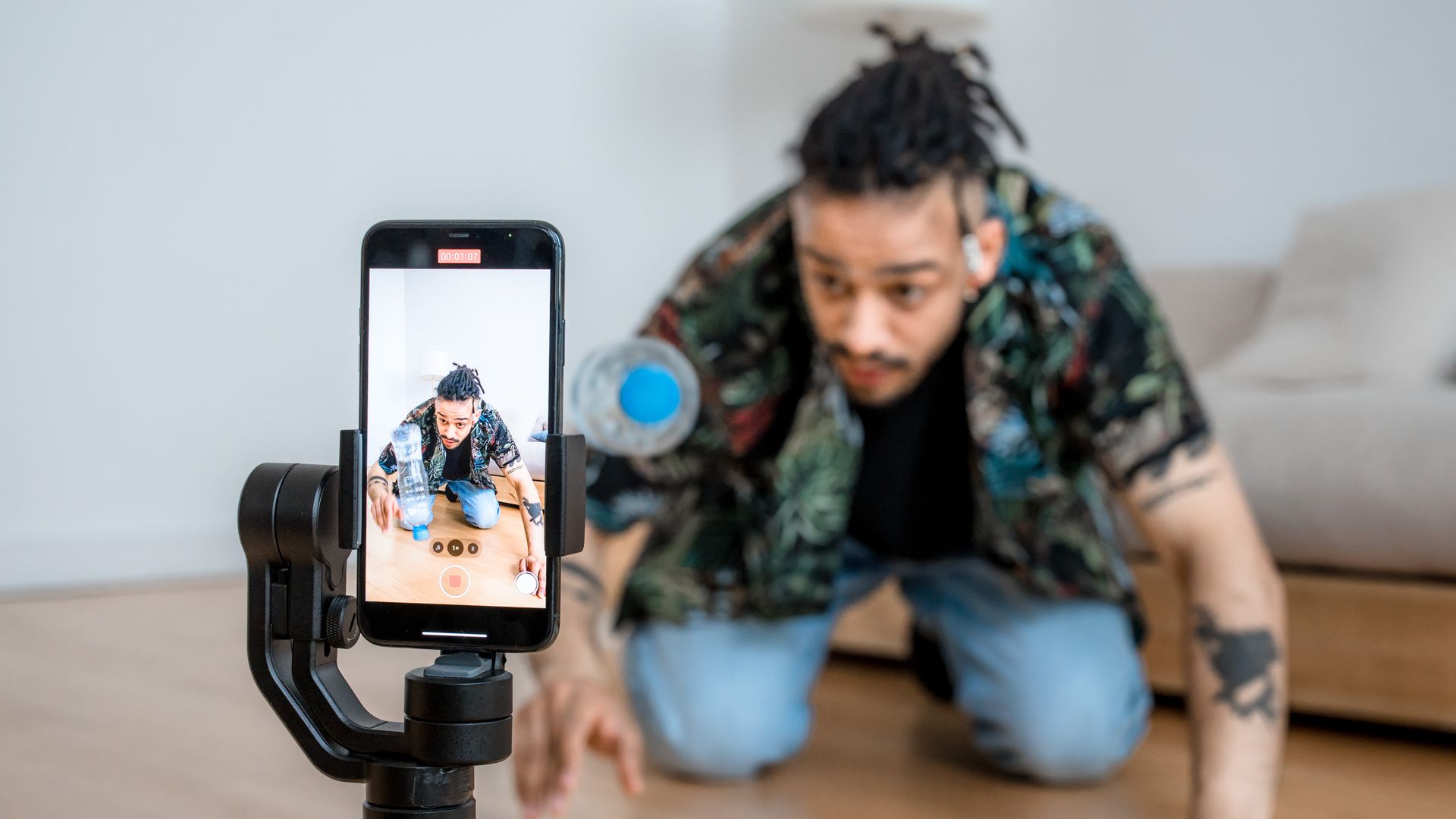
UGC is no longer a “customer review video” that a brand happens to find online. Brands deliberately commission UGC-style videos from creators – often people who do not even have a large audience of their own. The key point: this content is made for the brand, and the brand decides where and how it is shown.
In 2027 UGC is expected to be a separate line in the media plan rather than an “added bonus”. The winners will be the brands with a steady flow of fresh video: many versions, different hooks in the first seconds, and testing.
3. Whitelisting – ads run from the influencer’s account
One of the strongest trends of 2027 is whitelisting (also called allowlisting or creator licensing). It is an agreement in which the influencer gives the brand permission to run paid ads under the influencer’s account name rather than from the brand’s profile.
What does it look like in practice? In the feed, the user sees an ad that carries not the brand’s name but the name and profile picture of a familiar creator. The content looks natural, yet behind it sits a full advertising campaign with a brand-controlled budget, targeting and optimisation.
4. One piece of content – many channels
Influencer and UGC content increasingly lives outside social networks: on websites, on product pages in online shops, in email campaigns, in outdoor advertising and even on TV. Big brands already make wide use of creator videos on their websites and in paid ads.
This means that in 2027 collaboration contracts will pay far more attention to content usage rights – where, for how long and in which formats the content may be used. It is wiser to agree this before the collaboration starts than to renegotiate every new use later.
5. From reach to results
“Views” and “followers” are gradually losing their place as the main metrics. Brands increasingly ask for proof of business impact: conversions, sales, leads, cost per result. Performance models are growing too, with part of the fee tied to results – through discount codes, affiliate links or platform data.
6. Artificial intelligence – a helper, not a replacement
In 2027 AI will be a standard tool in influencer marketing:
- in creator selection – audience analysis and assessing fit with the brand;
- in fraud detection – fake followers, bought engagement and bot comments will be checked automatically before a collaboration;
- in content production – creating variations, subtitles, translations and faster editing.
At the same time, the volume of AI-generated “synthetic UGC” is growing – and with it the requirement to label it clearly. The more AI content there is in feeds, the higher the value of real people, real experiences and real emotions.
7. Authenticity as a competitive advantage
Over-produced, sterile content loses. Audiences want to see unplanned, “live” content – the product in real use, with honest pros and cons. For brands this means giving creators more creative freedom and fewer rigid scripts. A good brief in 2027 sets the goal and the key messages, but does not dictate every sentence.
What to do now: a short checklist
- Choose 3–5 creators for long-term collaboration rather than 20 one-off posts.
- Plan your UGC budget as a media line – with a regular flow of new content and testing.
- Include whitelisting in contracts from the start – with a clear term, platforms and fee.
- Agree content usage rights beyond social networks too.
- Measure results, not just reach – agree KPIs before the campaign.
- Check the quality of an influencer’s audience before working together.
- Give creative freedom – it is the key to authenticity.
In conclusion
One thing is clear: in 2027 influencer marketing and paid advertising will merge even more closely. The winners will be the brands that understand a creator is not just “ad space” but a partner whose voice, credibility and content can work across the whole marketing funnel – from first impression to purchase. Whitelisting, UGC and long-term collaborations are the tools that make this partnership measurable and scalable.
Want to try whitelisting or start a UGC content flow for your brand? Get in touch – we will help you find the right creators and build a campaign that works.